Amber Palace
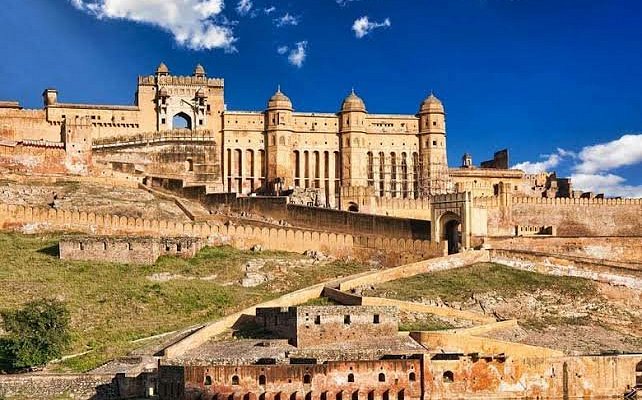
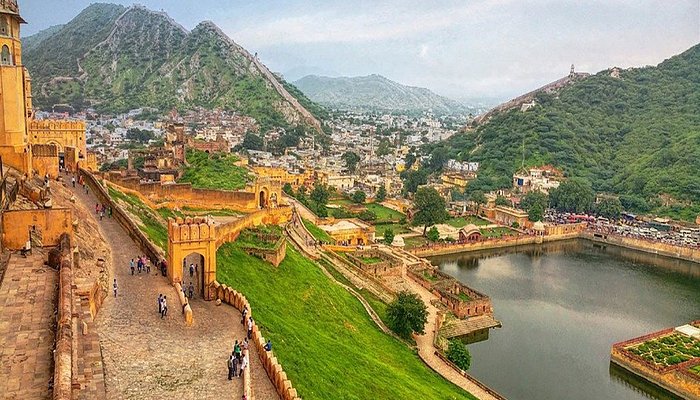
Amber (Amer), about 11 km from Jaipur, is a UNESCO World Heritage Site and the former stronghold of the Kachwahas of Amber. Built between 1592 and the early 17th century, it blends Hindu and Mughal architectural styles. Made of red sandstone and white marble, the palace features intricate carvings, precious stones, and mirrors. Its stunning interior contrasts with the rugged exterior, overlooking the scenic Maota Lake. Originally a small fort captured from the Meena tribes, it evolved into the grand Amber Palace known today.
Hawa Mahal - Palace of Wind
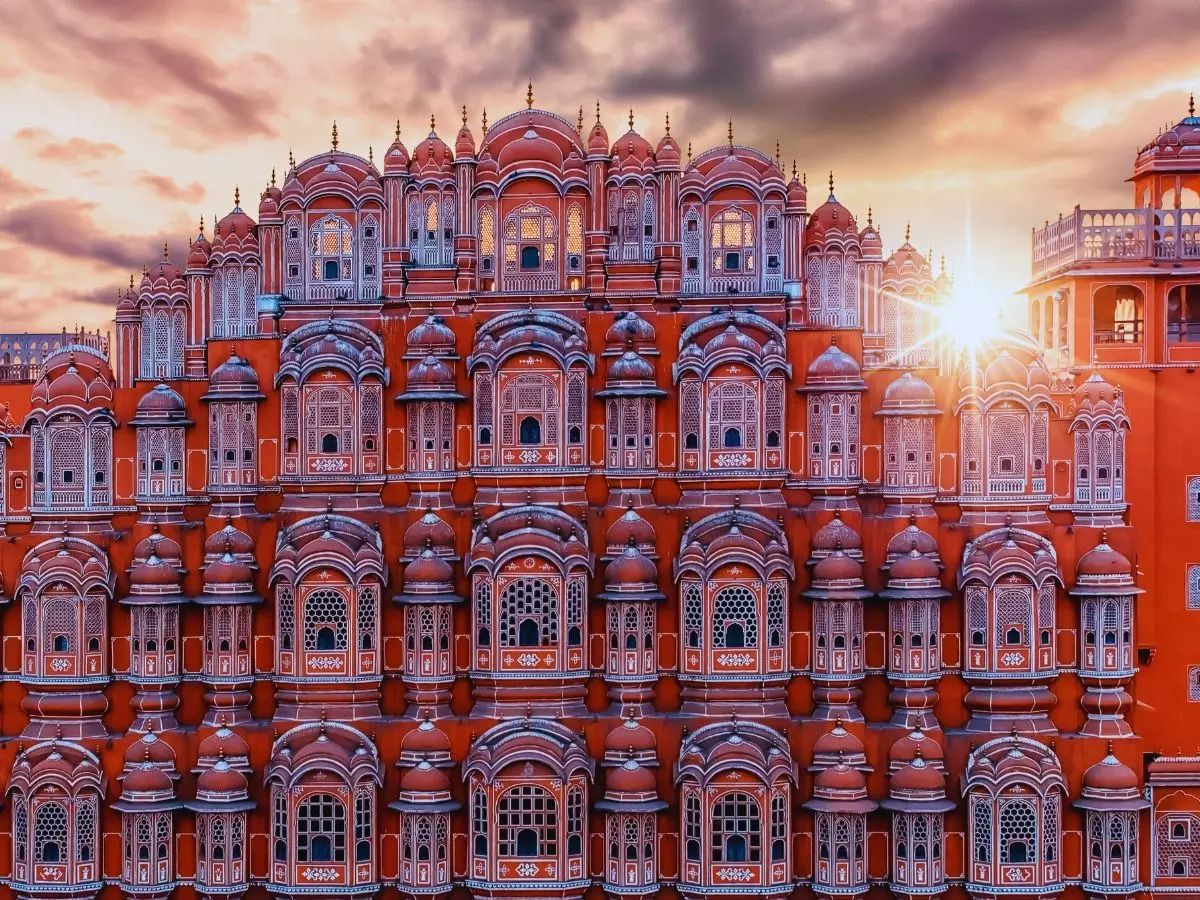
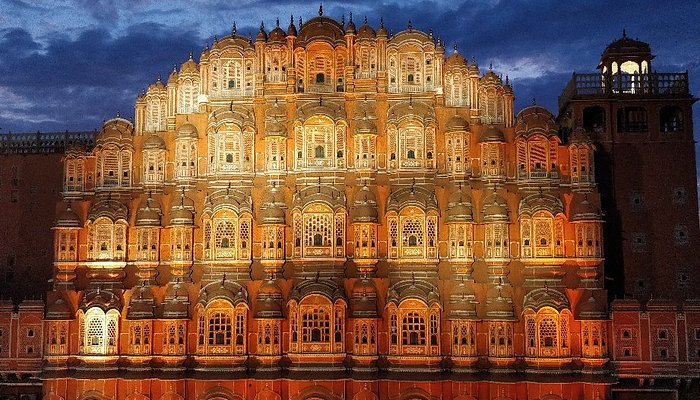
Hawa Mahal, or the Palace of Winds, was built in 1799 by Maharaja Sawai Pratap Singh as a summer retreat and a place for royal women to observe daily life unseen. This five-storey pink sandstone structure blends Hindu and Islamic architecture, with 953 latticed windows (jharokhas) that allow cool air to flow through. Resembling the crown of Lord Krishna, it is Jaipur’s iconic landmark. Visitors can admire its façade from outside or climb to the top for panoramic views. Today, it is maintained by the Rajasthan Archaeological Department and features a small museum.
City Palace of Jaipur
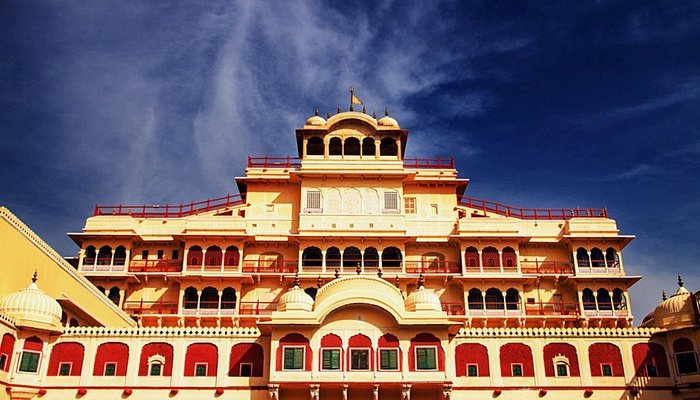
The City Palace Complex, built by Maharaja Sawai Jai Singh II, is a blend of Mughal and Rajput architecture and remains home to Jaipur’s royal family. It includes the Mubarak Mahal, now a museum showcasing royal costumes, Pashmina shawls, and traditional textiles, and the Maharani’s Palace, which displays historic Rajput weaponry and ornate ceiling paintings. The palace was expanded by later rulers and continues to reflect Jaipur’s regal heritage.
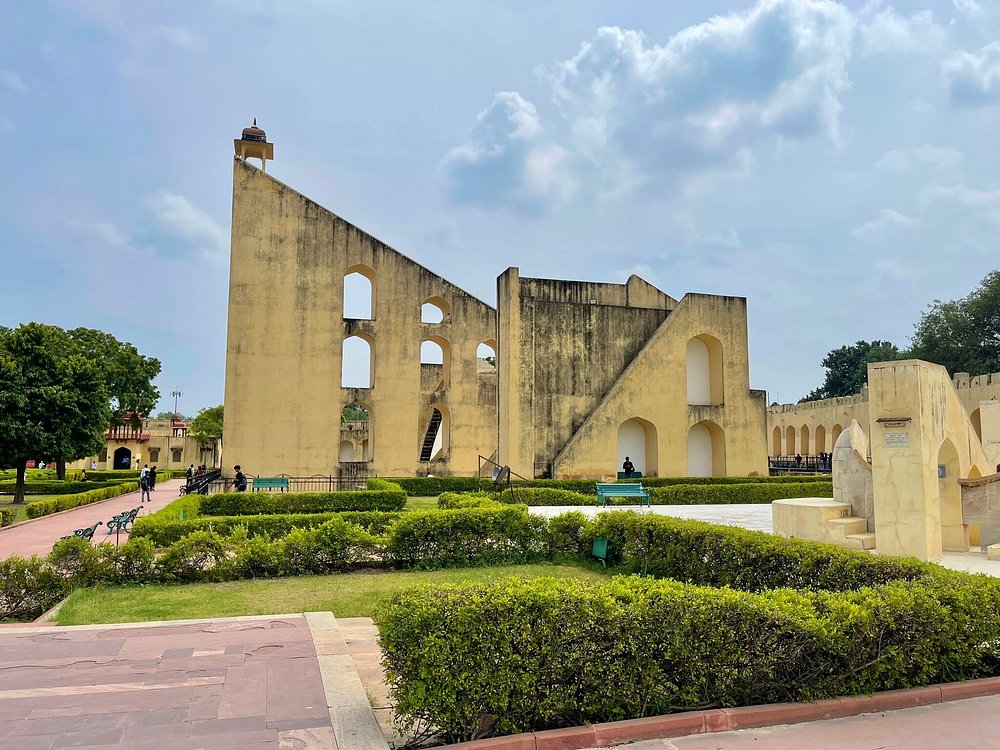
Jantar Mantar - Jaipur
Now a UNESCO World Heritage Site, Jantar Mantar in Jaipur is considered to be the largest of the five astronomical observatories built by Maharaja Sawai Jai Singh II, the founder of Jaipur. It contains sixteen geometric devices, designed to measure time, track celestial bodies and observe the orbits of the planets around the sun. It also houses the Interpretation Centre that helps the tourists to understand about the working principles & chronolgy of the observatory.
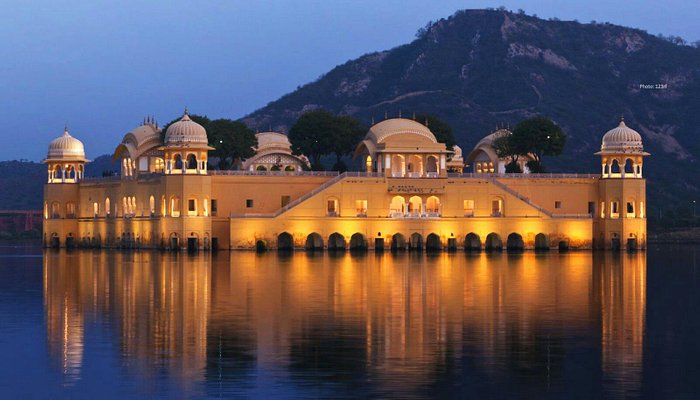
Jal Mahal
One of the most wonderful sights in Jaipur is the beautiful Jal Mahal or Lake Palace. The light, sand coloured stone walls and the deep blue of the water make for a wonderful contrast. The palace appears to float in the centre of Man Sagar Lake, where its magnificent exteriors can be enjoyed by tourists.
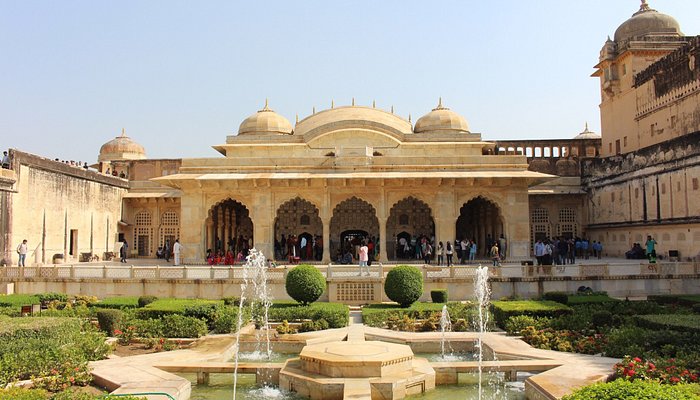
Sheesh Mahal
Sheesh Mahal, or the Mirror Palace, is located within the Amber Fort complex in Jaipur. Built in the 16th century by Raja Man Singh I, it is renowned for its intricate mirror work and stunning architecture. The walls and ceilings are adorned with thousands of tiny mirrors that reflect light, creating a dazzling effect. The Sheesh Mahal served as a royal chamber and is a testament to the opulence of the Rajput rulers. Visitors can explore its ornate interiors and appreciate the craftsmanship that went into its creation.
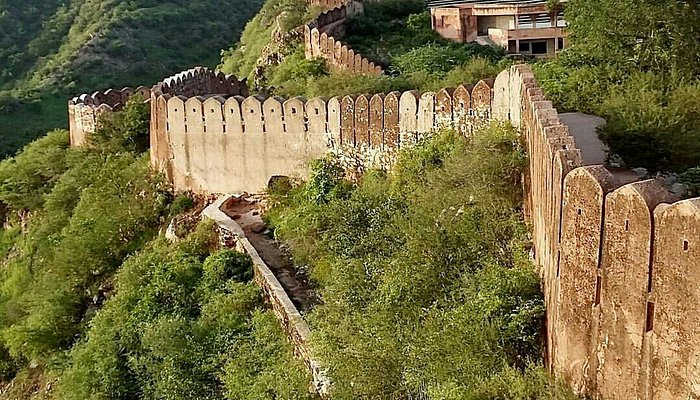
Nahargarh Fort
Nahargarh Fort, perched on the Aravalli Hills, was built in 1734 by Jai Singh and expanded in 1868 as a defensive stronghold for Jaipur. Its name means “Abode of Tigers,” and it houses Madhavendra Bhawan, a summer palace with 12 queen’s chambers and a king’s suite, connected by mural-adorned corridors. The fort offers panoramic views of the city and is a popular spot for visitors. At night, it is beautifully illuminated, creating a stunning skyline backdrop.
Jaigarh Fort
About 15 kilometres from Jaipur, Jaigarh Fort was built by Sawai Jai Singh II sometime in the early 18th century amidst the arid, rocky and thorn-scrub covered hills. Despite its ancient construction, it still retains most of its imposing citadel appearance. Visitors can see the world’s largest cannon – Jaiban, at the fort.
Birla Mandir Temple
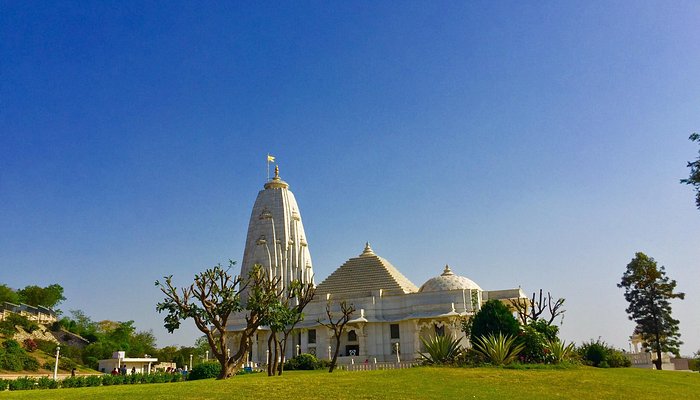
The Lakshmi-Narayan Temple, or Birla Temple, built in 1988 by the Birla family, sits at the base of Moti Dungari in south Jaipur. Made entirely of white marble, it is dedicated to Lord Vishnu and Goddess Lakshmi, featuring intricate carvings and sculptures depicting mythological themes. The temple has three domes symbolizing India’s major religions and looks spectacular when illuminated at night. The complex also houses a museum displaying the Birla family’s earlier belongings.
Albert Hall Museum
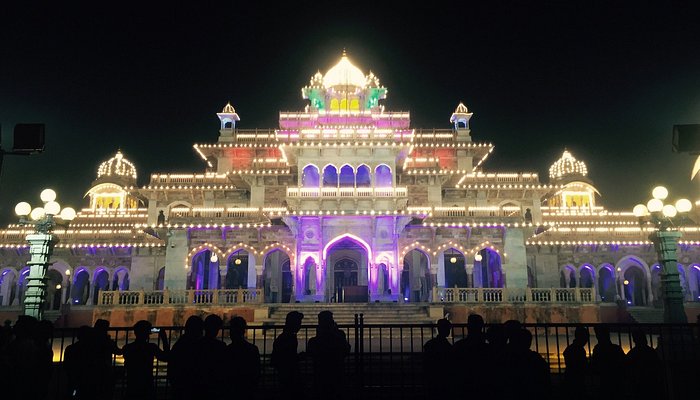
Albert Hall Museum, inspired by London’s Victoria and Albert Museum, is located in the heart of Ram Niwas Garden, Jaipur. Designed by Sir Swinton Jacob in Indo-Saracenic style, its foundation was laid by the Prince of Wales in 1876. The museum showcases metalwork, woodcraft, carpets, sculptures, arms, and ivory goods, along with a rich collection of miniature paintings from Jaipur, Udaipur, Bundi, Kota, and Kishangarh.

Share for greater impact
#EndDiabetesStigma